
Client
Akross
Role
Product Desinger
Design Process
Product Discovery
Design System
Prorotype
Introduction
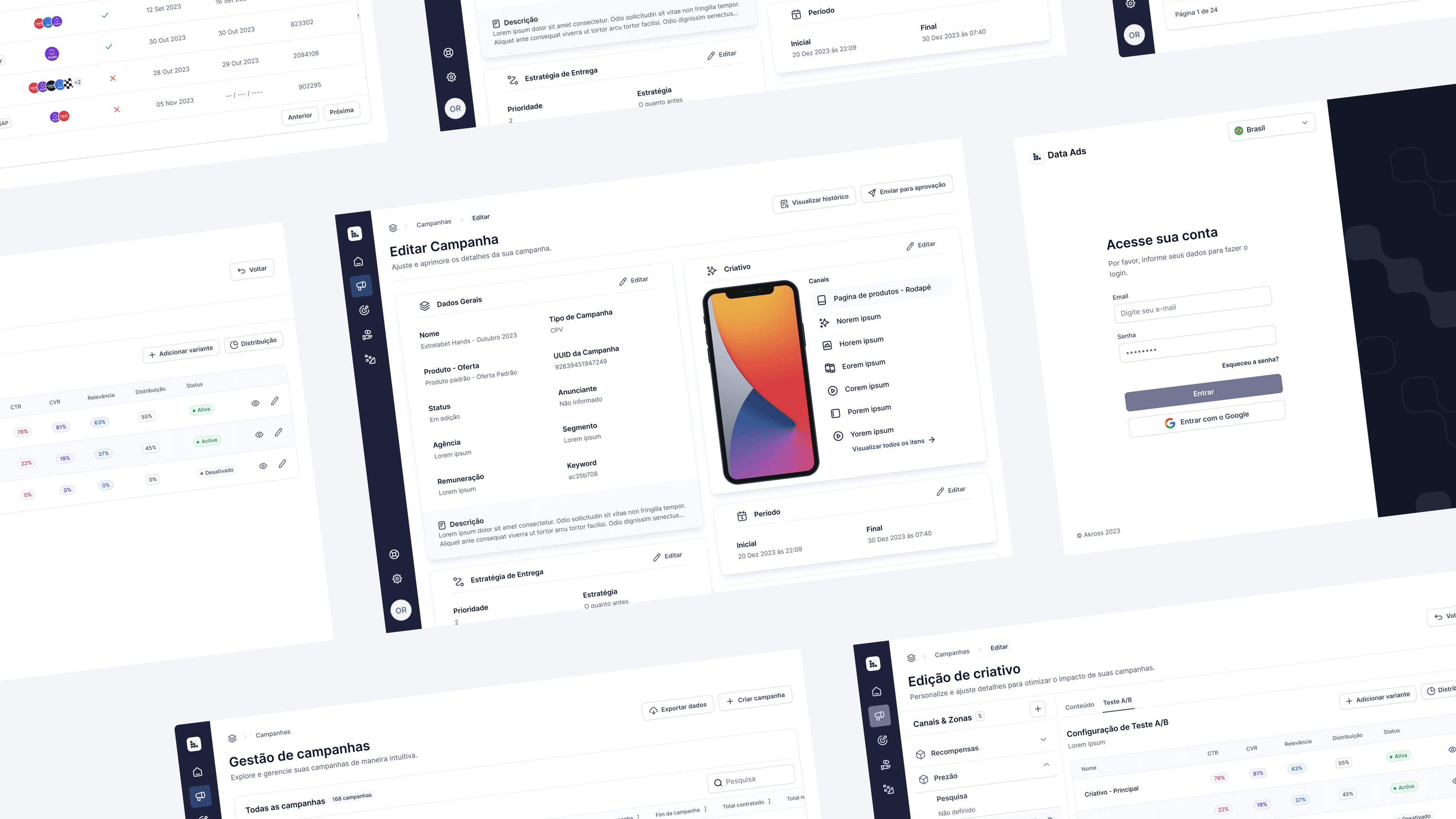
Data Ads is an advertising management platform designed to help agencies create, manage, and analyze ad campaigns across multiple channels. The platform was intended to streamline the entire process of campaign management, making it more efficient for media buyers, campaign managers, and creative teams.
During my work on this project, I was responsible for the end-to-end design process, creating an intuitive user interface that helped to boost workflow efficiency. The key focus was improving the overall user experience, from uploading and managing creative assets to managing budgets and automating repetitive tasks.
The problem
Inconsistencies in design and development are hindering the company's ability to streamline processes and deliver new products and ideas effectively.
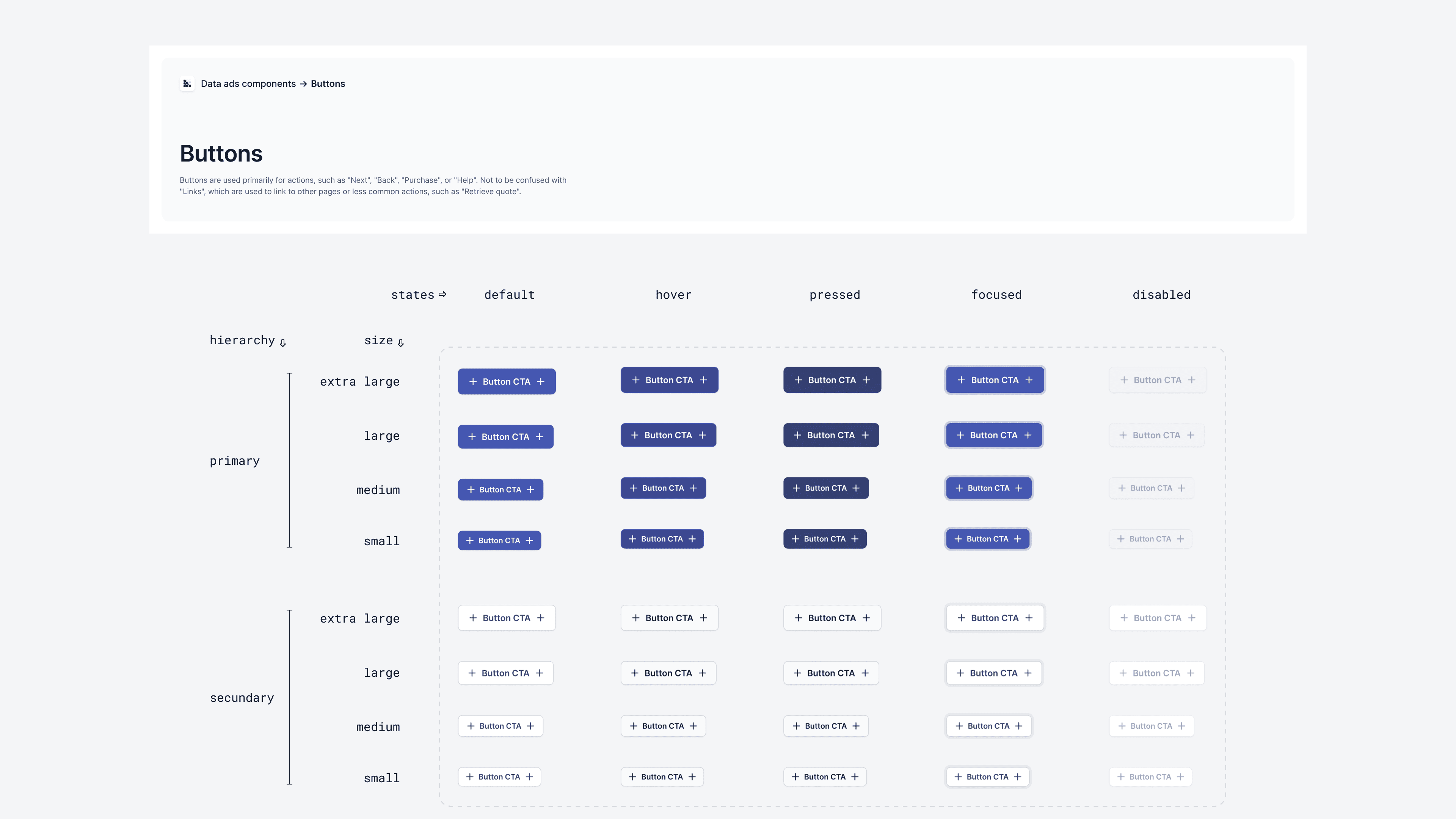
Typical component page setup
Goals & Approach
Consistent experience across all devices
"The customer may drop off for a myriad of personal reasons and pick up on several devices at different times."¹ To ensure a predictable user experience, components should be highly consistent.
Add comprehensive examples and edge cases
We conducted user interviews, surveys, and analyzed in-app analytics to understand the pain points and user needs. We also studied competitor apps and industry trends to gather insights
Optimizing Clarity and Efficiency
A simple and consistent user experience was prioritized. Users needed a quick understanding of where they were within the platform and how to perform essential tasks:
Quick access to campaigns: Users needed the ability to review campaign performance at a glance.
Simplified creative management: Creative assets could be uploaded, reviewed, and approved with minimal clicks, making the workflow more efficient.
Responsive by Design
We adopted a mobile-first approach, ensuring the interface adapted gracefully to different viewports without sacrificing usability or clarity. Special attention was given to key workflows like campaign creation, performance tracking, and report visualization, ensuring they remained efficient and accessible even on smaller screens.
Reusable components from the design system were built with responsiveness in mind from the start, making it easier for developers to implement consistent behavior across breakpoints.
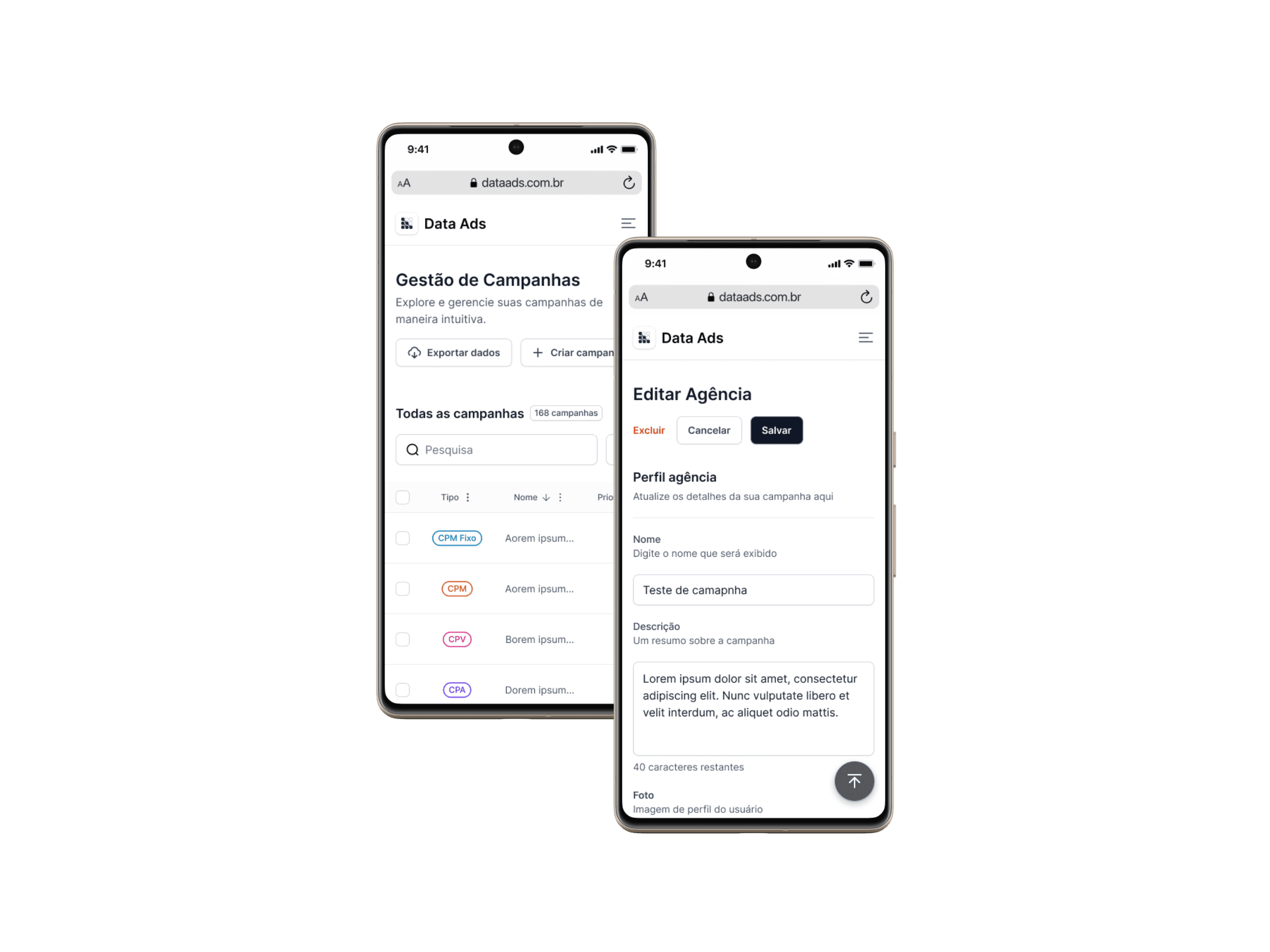
Visual Exploration & Iteration
Based on the research findings, I worked closely with the development team to establish the framework for the design system. With the structural decisions in place, I moved into the visual design phase. The goal was to create a UI that was not only functional but also visually engaging to foster stakeholder buy-in.
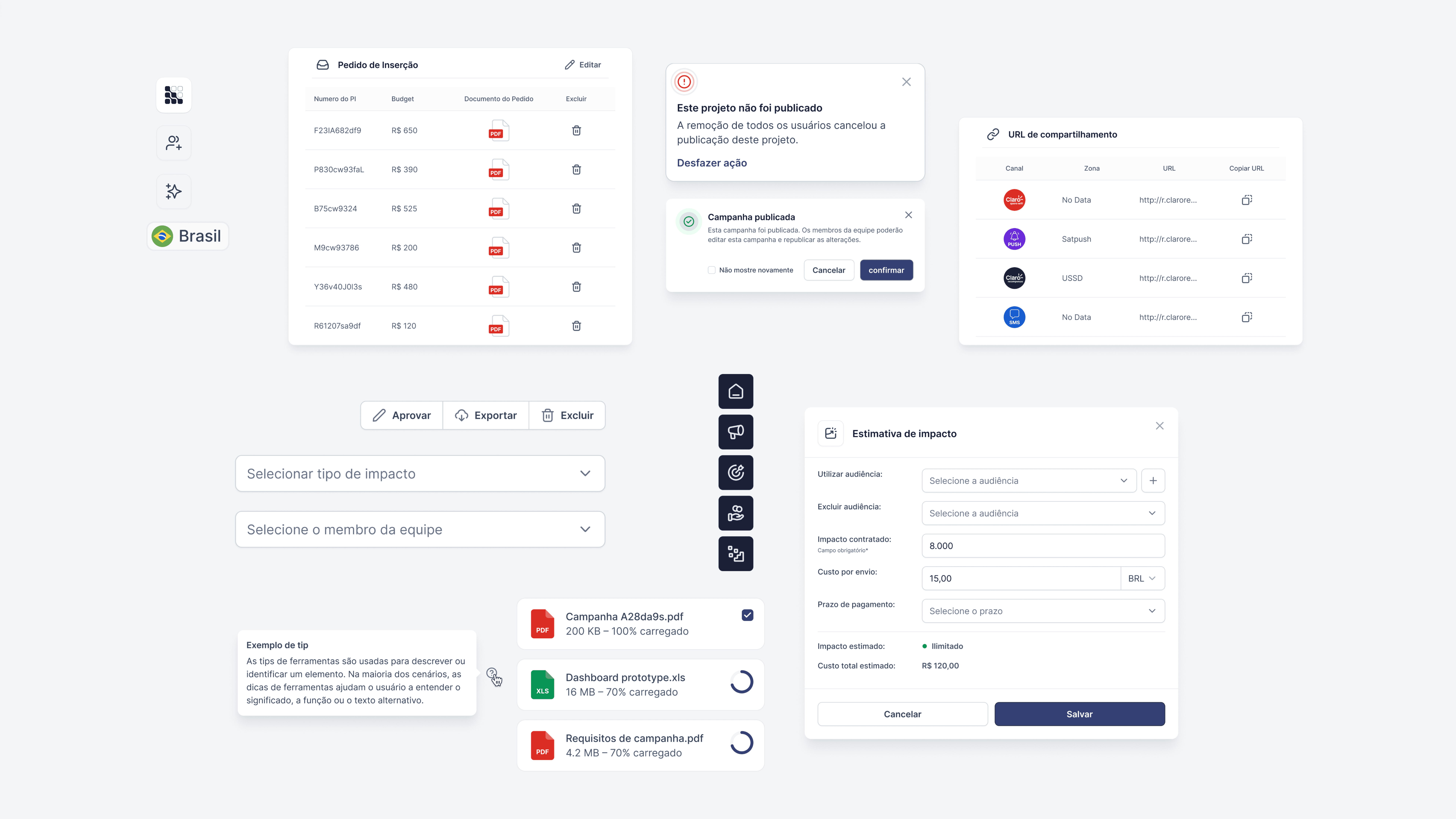
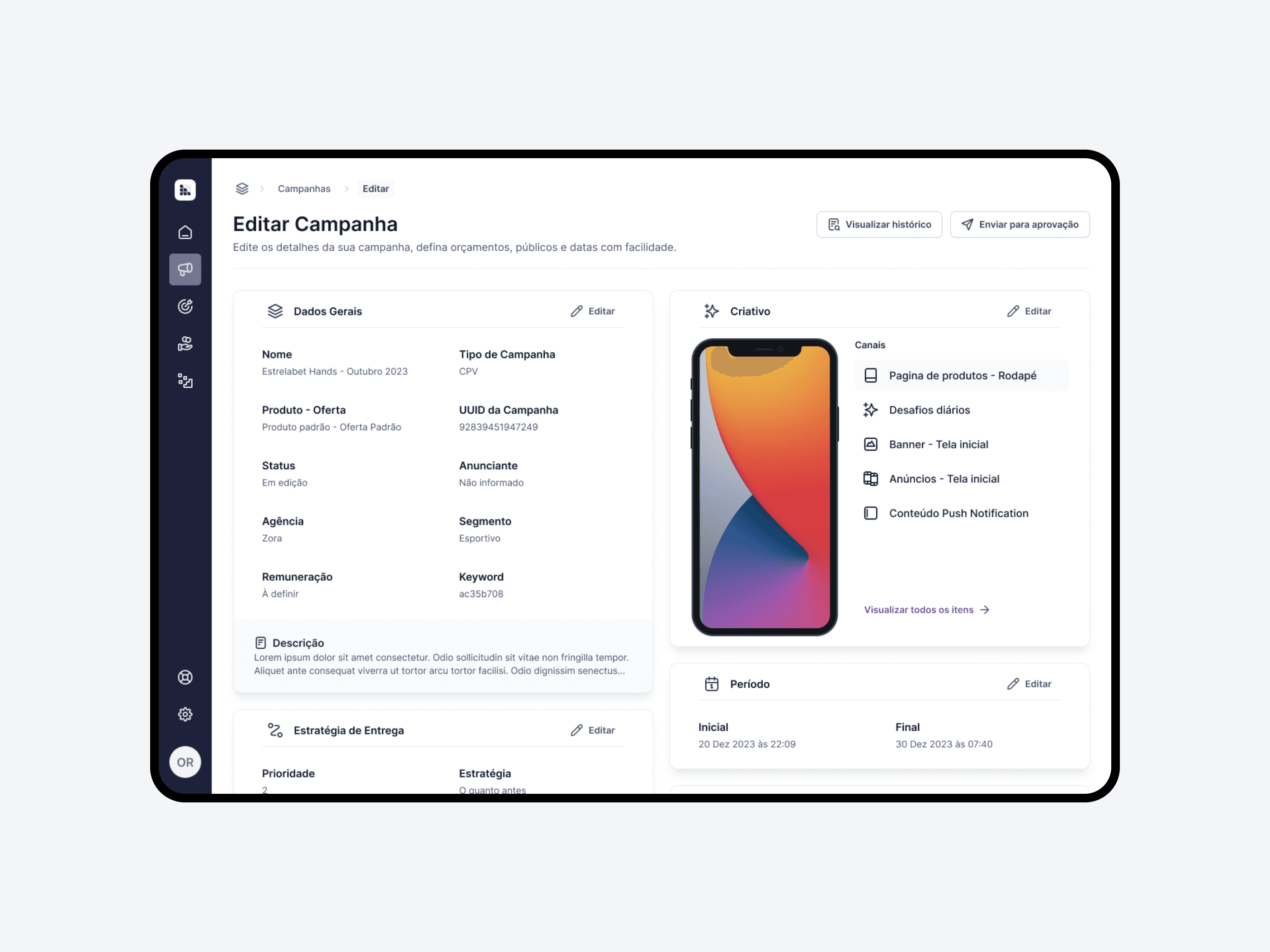
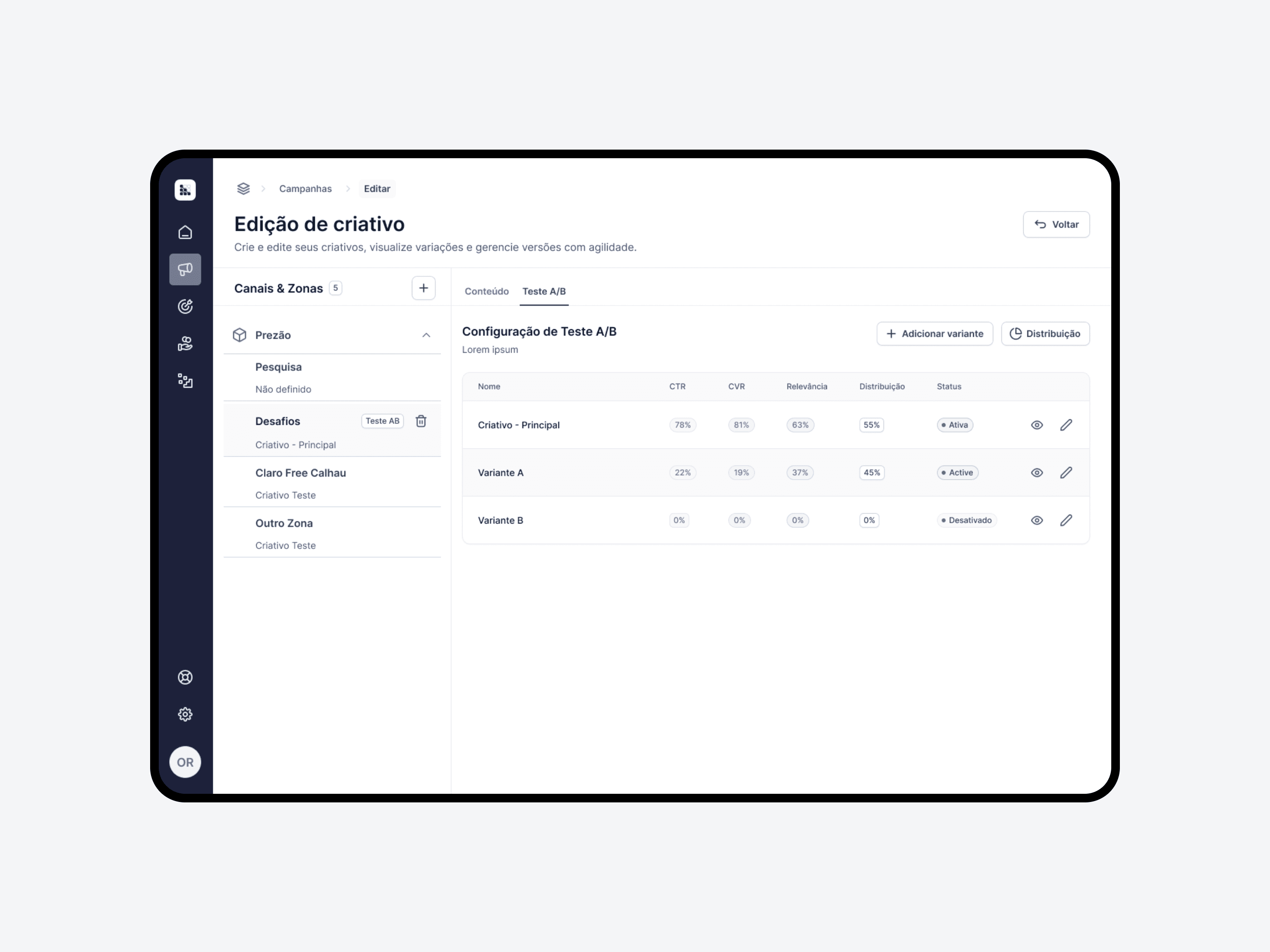
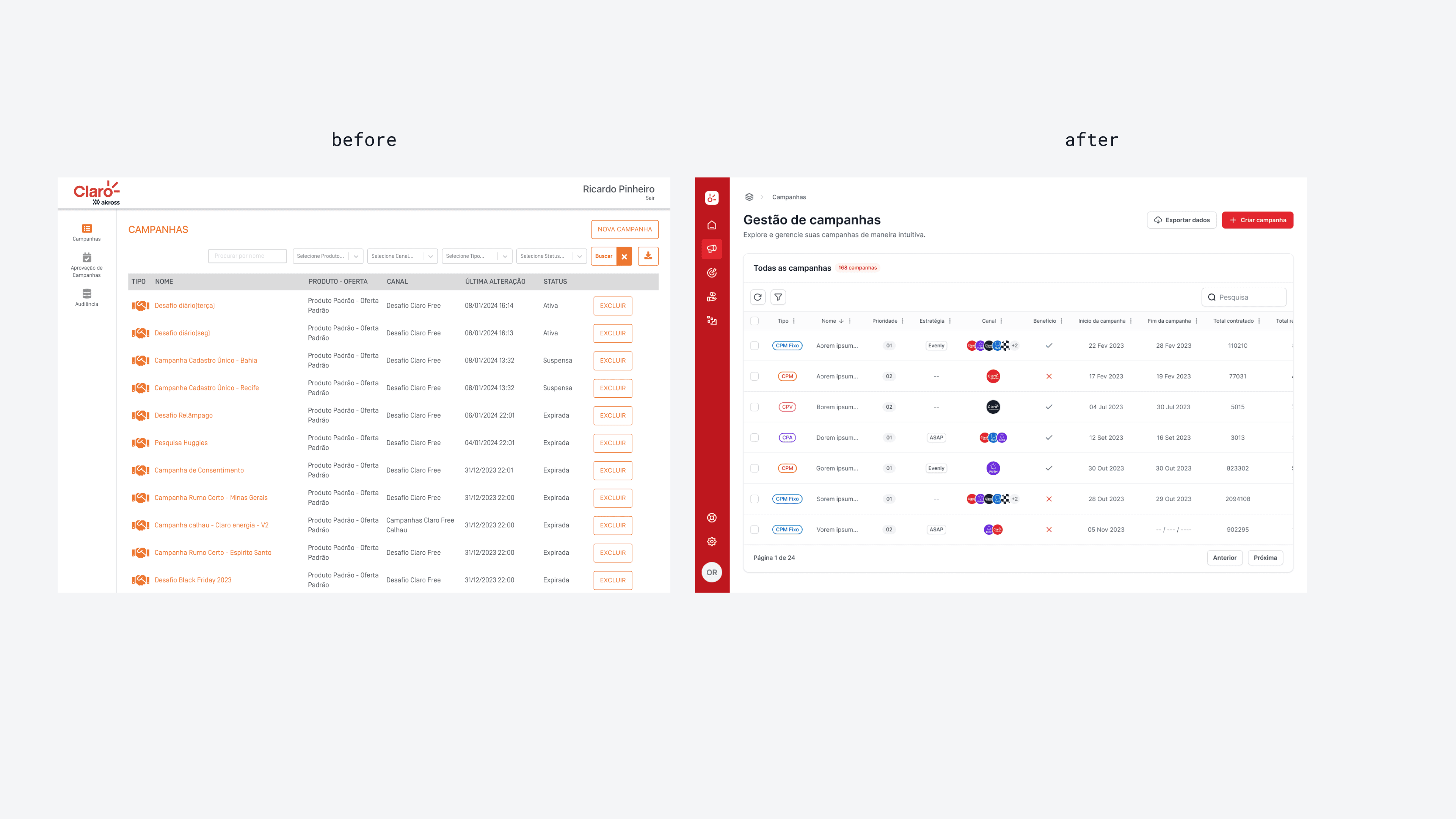
Legacy layout (left) compared to the new, systematized design (right)
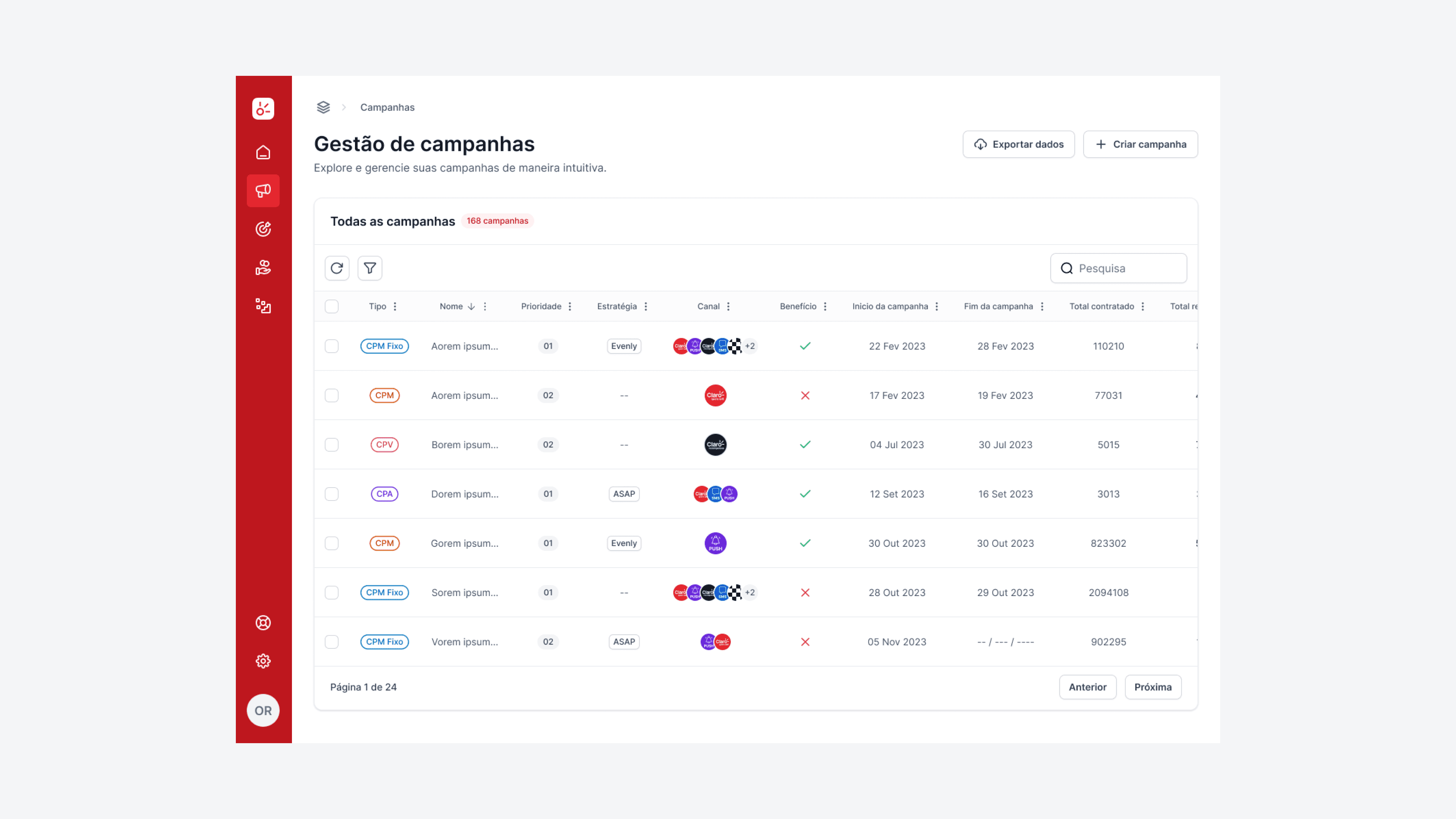
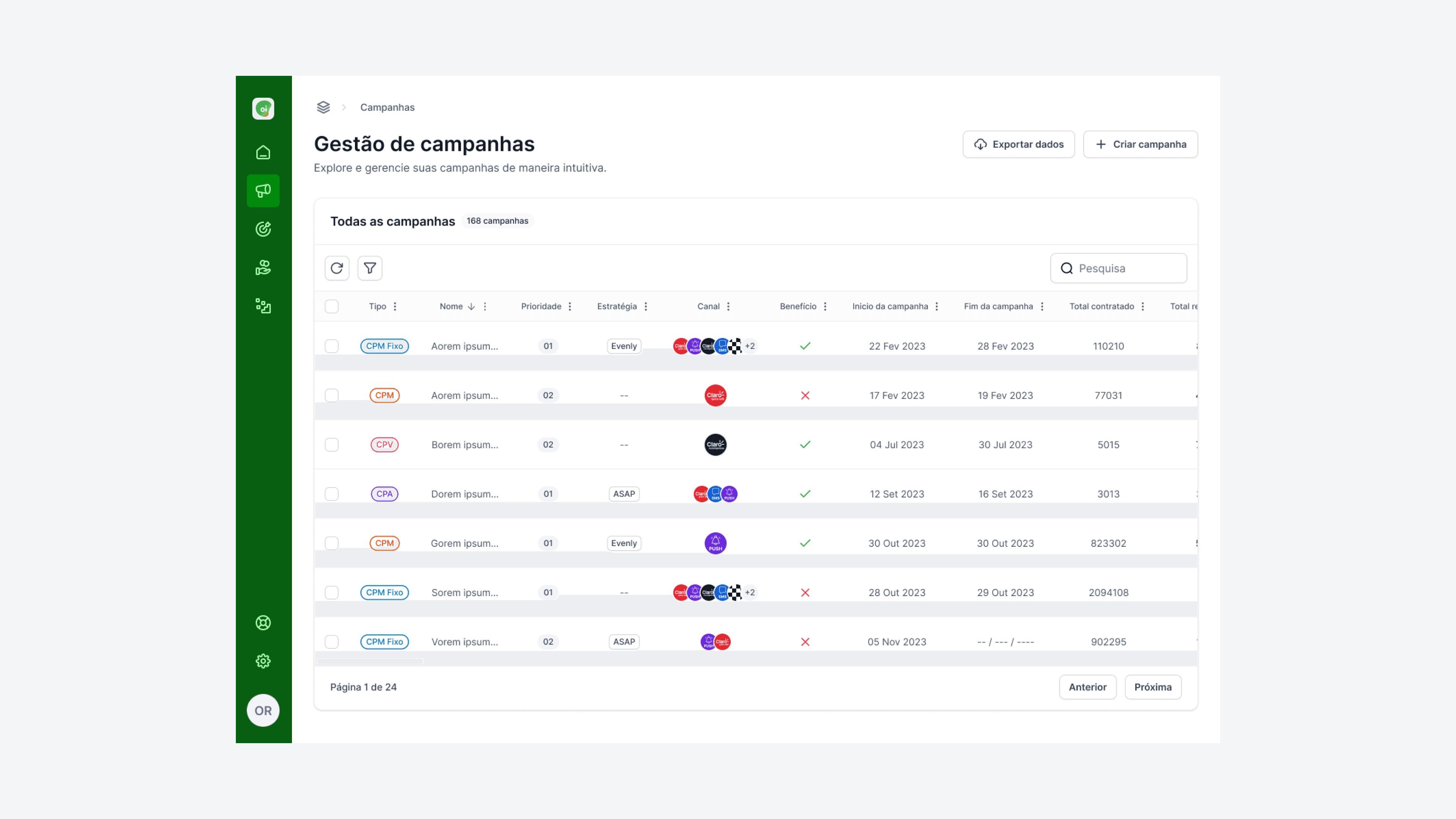
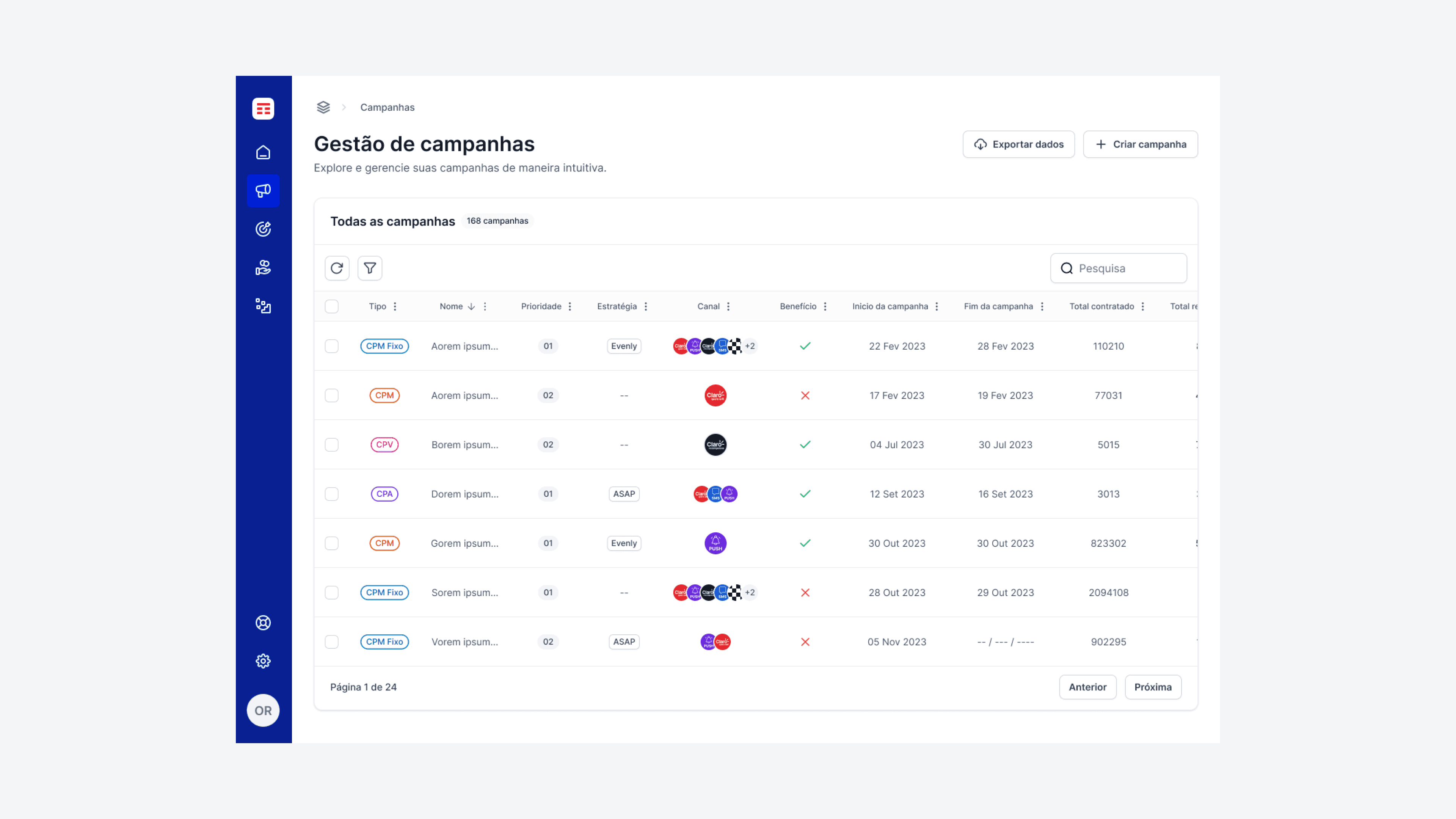
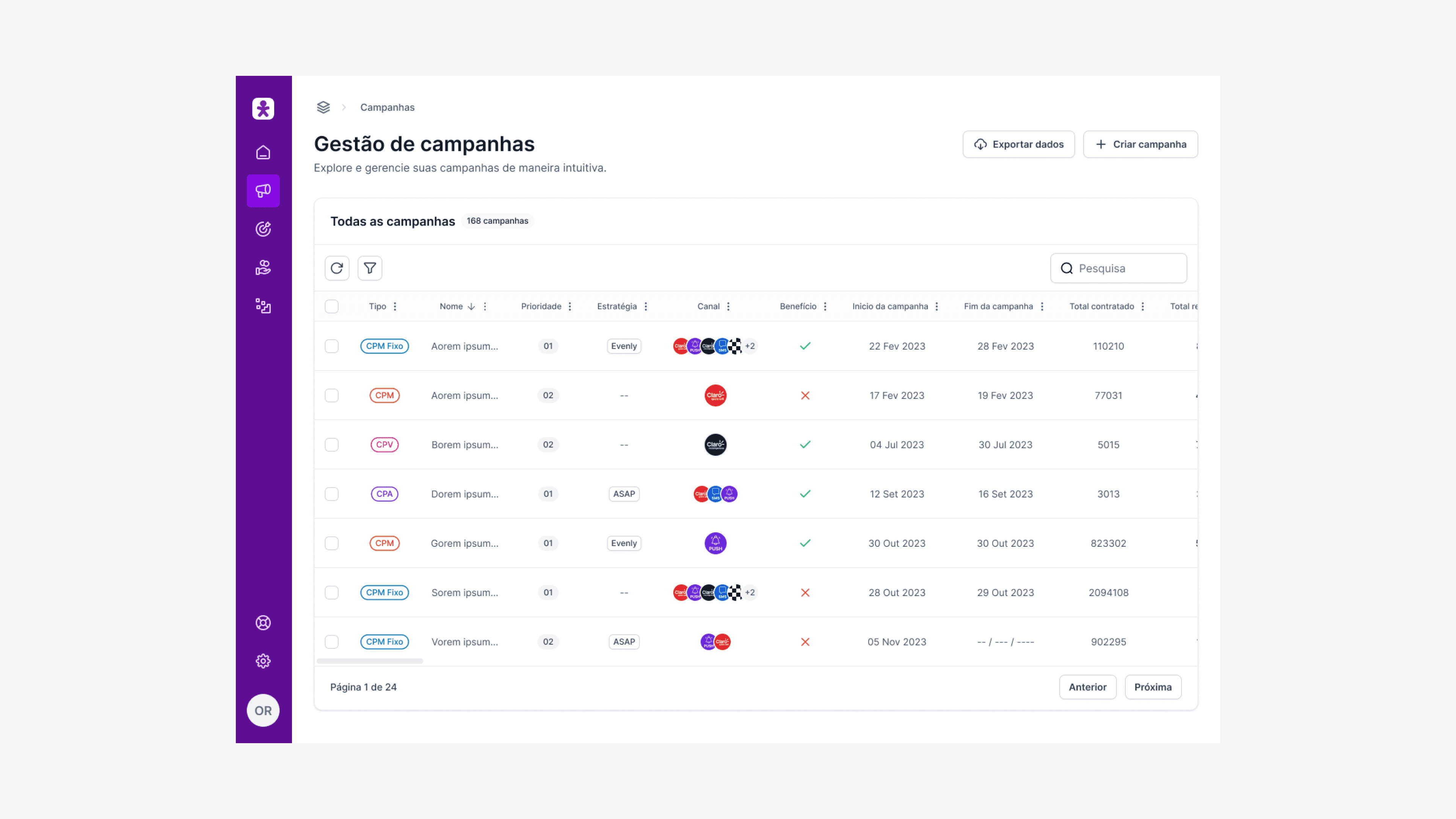
White label styling
During the development of Data Ads, we implemented a visual customization feature, allowing clients to personalize the platform by changing colors, logos, and other design elements. This ensures the platform feels like an extension of their brand, enhancing user trust and recognition.
Results & Impact
Although the Data Ads project didn’t proceed to full development, the research and concepts laid a solid foundation for future ad tech improvements. Key takeaways included:
Developers always know which design is the latest
To ensure clarity, I implemented a versioning system within Figma, which allows developers to easily track and overlay previous versions.
Entire company has a centre of truth for styling and component
Previously, teams like marketing frequently had to ask where to find specific design elements or assets. Now, with a centralised design hub, colleagues don't need to make these requests.
Updating designs takes around a 10th of the time
Components were used before but not to the same scale. However, now, with the new system, updating is effortless.
Stakeholder Buy-In
The visually appealing, user-friendly designs gained strong support from stakeholders.